Traffic Laws in 2026: 12 Rules Drivers Keep Forgetting
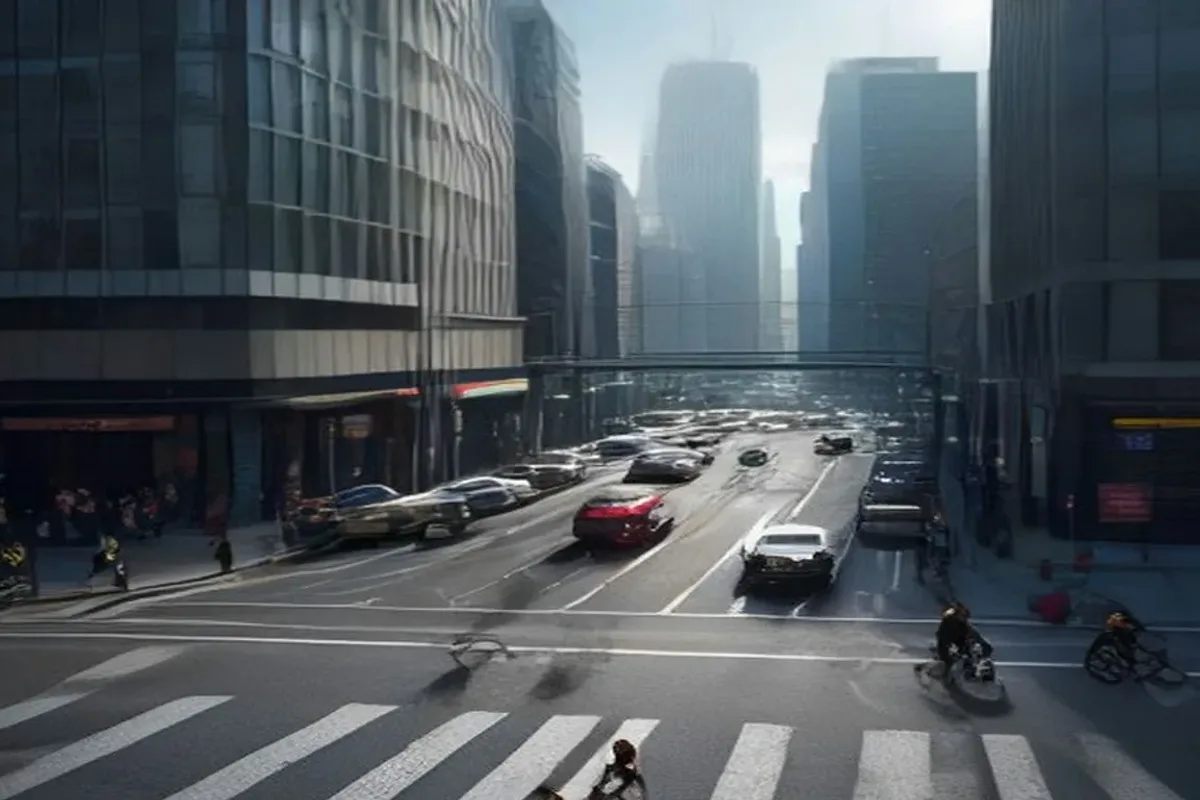
Most drivers pass their test once and then learn the road by habit. That is efficient until the habit is wrong. Traffic law changes, local rules differ, and the situations that cause the most citations are often the ones drivers handle automatically. This refresher covers twelve rules that are easy to forget and expensive to get wrong.
1. Move over for stopped emergency vehicles
When an emergency vehicle is stopped on the shoulder with lights flashing, most jurisdictions require you to move over one lane if it is safe, or slow down substantially if you cannot. The rule usually covers police, fire, ambulances and often tow trucks and maintenance crews. It is not a courtesy. It is a legal requirement designed to protect people standing beside fast traffic.
2. Stop for a school bus with flashing red lights
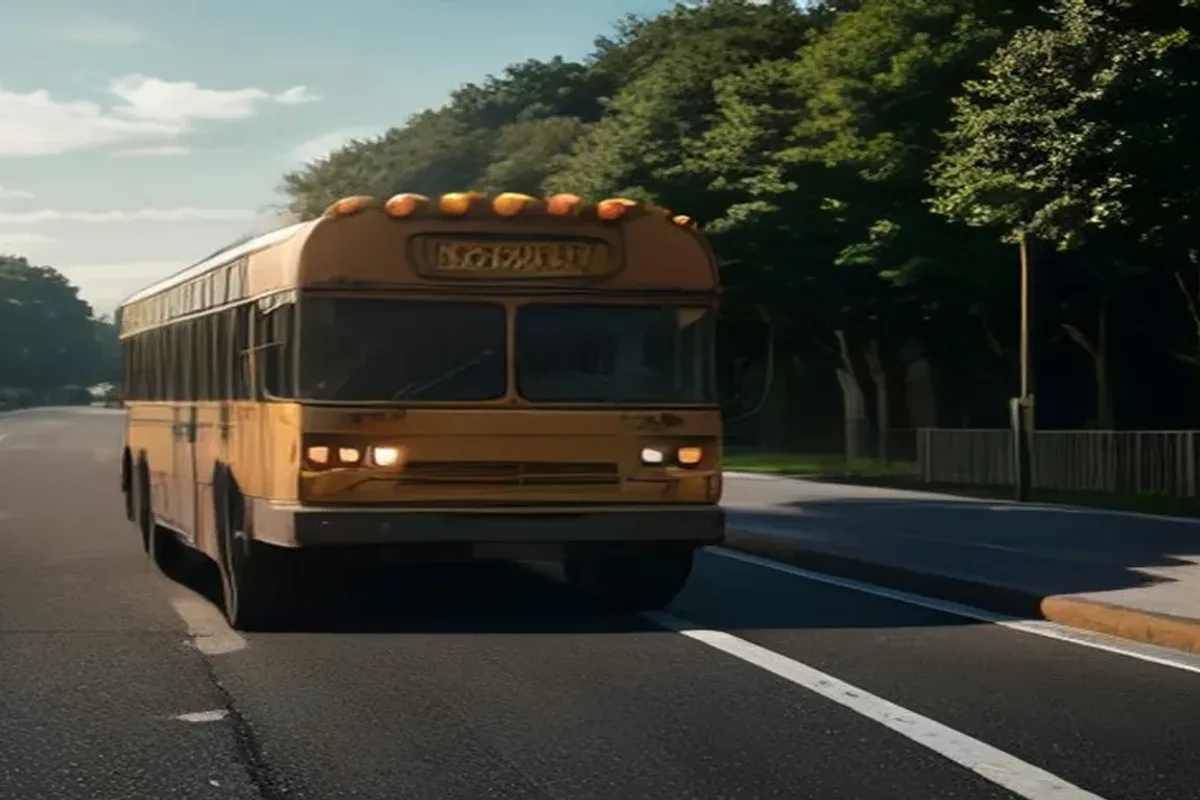
In most places, traffic in both directions must stop when a school bus displays flashing red lights, unless the road is physically divided by a median. Yellow lights mean prepare to stop, not accelerate. The exact exception for divided highways varies, so learn the rule in your area before your first school-run morning.
3. Right on red is conditional
A right turn at a red light is often permitted after a complete stop, but only where it is not prohibited by a sign and only after yielding to pedestrians and traffic. Some cities ban it in busy downtown zones. Treat the turn as a yield, not a right. A rolling stop is still a failure to stop.
4. Roundabouts have right-of-way rules
Entering traffic generally yields to vehicles already circulating. Choose your lane before you enter, signal when you leave, and do not stop inside the roundabout to let someone in. A roundabout works because every driver follows the same predictable pattern. Hesitation and unexpected stops cause more crashes than speed.
5. The left lane is not a cruising lane
Many jurisdictions require slower traffic to keep right and treat prolonged left-lane driving as a violation. Even where it is not a specific offence, camping in the passing lane creates frustration and risky overtaking. Use the left lane to pass, then return when there is room.
6. Following distance is a rule of thumb with legal weight
Rear-end collisions are among the most common crash types. The three-second gap in good conditions is a minimum, not a target. Increase it in rain, at night, behind a large vehicle or when towing. If someone cuts in, ease off rather than tailgating. A citation for following too closely can follow a crash even when the driver in front stopped suddenly.
7. Pedestrians in a crosswalk have priority
Drivers must generally yield to pedestrians in a marked crosswalk and often to pedestrians at an unmarked crossing once they have stepped into the road. The duty is not limited to the lane you are in. Scan the whole crossing, including the opposite direction, before turning. Our distracted-driving guide explains why phone use makes this rule harder to obey.
8. A stop sign means a complete stop
A stop sign requires the wheels to stop moving. A slow roll is a violation even if the road looks empty. At a four-way stop, the first vehicle to arrive goes first. If two arrive together, the vehicle on the right usually has priority. Misunderstanding that convention causes hesitation and collisions.

9. Headlights are required in poor visibility
Laws usually require headlights when visibility is reduced by rain, fog, snow or darkness, and many require them whenever wipers are in use. Daytime running lights are not a substitute for full headlights and tail lights. Turning on your lights helps other drivers see you from behind, which is the part that matters most.
10. Seat belts and child restraints are not optional
Adult seat-belt laws are primary enforcement in many places, meaning an officer can stop you for the belt alone. Child restraint rules are stricter and depend on age, height and weight. The safest seat is the one that fits the child and the car correctly. Our child seat guide covers installation and common mistakes.
11. Towing and loading change the rules
Trailers need working lights, secure couplings and safe weight distribution. Some jurisdictions require additional mirrors, lower speed limits or separate licences above a certain weight. Overloading a vehicle can also violate axle and tyre ratings even if the total looks acceptable. Check the door-jamb sticker and the trailer's rated capacity before a trip.
12. Parking rules are traffic law too
Parking within a certain distance of a fire hydrant, crosswalk, stop sign or corner is usually prohibited even without a painted line. Accessible spaces require a valid permit. Street-cleaning and snow-emergency rules can change by the hour. Read the signs for the whole block, not just the space you want.
How to avoid the most common citations
The pattern behind most tickets is not ignorance of the law. It is divided attention and rushed decisions. Put the phone away before you move, leave earlier than you think you need to, and treat every intersection as a place where someone might make a mistake. A defensive driver assumes the other person has not seen them.
If you are stopped, keep your hands visible, provide the documents required in your jurisdiction and stay calm. Arguing on the roadside rarely improves the outcome. If you believe the citation is wrong, use the official appeal process rather than improvising a legal argument. For more practical driving guidance, read our Traffic Laws collection.
"The rules you forget are usually the ones you follow by habit. Relearn the habit before it becomes a citation."
The bottom line
Move over, stop for school buses, treat right-on-red as a yield, keep right unless passing, and give pedestrians a clear margin. None of these rules is new, but all of them are easy to blur in a busy week. Confirm the local version where you drive and refresh your knowledge when you move, rent a car abroad or start driving a larger vehicle. Safe driving is mostly consistent driving.