Child Car Seat Safety in 2026: Fit, Installation and Common Mistakes

Child car seats are highly effective, but only when they fit the child, fit the car and are installed correctly. A seat that is the best model in a review can still fail in a real crash if the harness is loose, the recline is wrong or the installation moves more than it should. The good news is that the checks are simple once you know what to look for.
Choose by fit, not by age alone
Car seats are grouped by height and weight, not just age. An infant seat fits a newborn; a convertible seat can be used rear-facing and then forward-facing; a booster seat is for older children who have outgrown the harness. The labels on the seat and your vehicle owner's manual are the authority. Do not move a child to the next stage because of a birthday.
Rear-facing is the safest position for a young child because it spreads crash forces across the back of the seat and supports the head and neck. Keep your child rear-facing until they reach the maximum height or weight allowed by the seat. Many convertible seats now accommodate children rear-facing well beyond age two. Our Vehicle Safety collection has more on choosing a safe family car.
Read both manuals
The car seat manual tells you how to install the seat and how to adjust it for your child. The vehicle manual tells you where the seat can go, how the lower anchors work and whether a top tether is available. Some seating positions are not suitable for a particular installation method. Some vehicles have lower anchors with a weight limit that is lower than the seat's limit.
Do not guess. If the manuals are missing, look them up online using the model number and manufacture date. A seat without instructions is a risk. Before buying a used seat, confirm that you can obtain the manual and that the seat has not been in a crash.
Lower anchors versus seat belt
Most seats can be installed with either the vehicle seat belt or the lower anchors. Use one method, not both, unless the manufacturer explicitly allows it. The seat belt method often has a higher weight limit and can be used in the centre position if the vehicle allows it. The lower anchors are convenient but may have a weight limit that includes the child and the seat.
When using the seat belt, lock the retractor or use a locking clip as instructed. Route the belt through the correct path and remove slack. When using lower anchors, make sure the connector is fully engaged and the strap is tight. Check the seat at the belt path: it should not move more than one inch side to side or front to back.

The top tether is not optional when required
Forward-facing seats with a harness usually require a top tether. The tether reduces forward movement of the child's head in a crash. Find the tether anchor in your vehicle, attach the hook and tighten the strap according to the manual. Some vehicles have anchors under a plastic cover or on the back of the seat. If you cannot find one, check the owner's manual before installing the seat forward-facing.
Harness tightness and chest clip
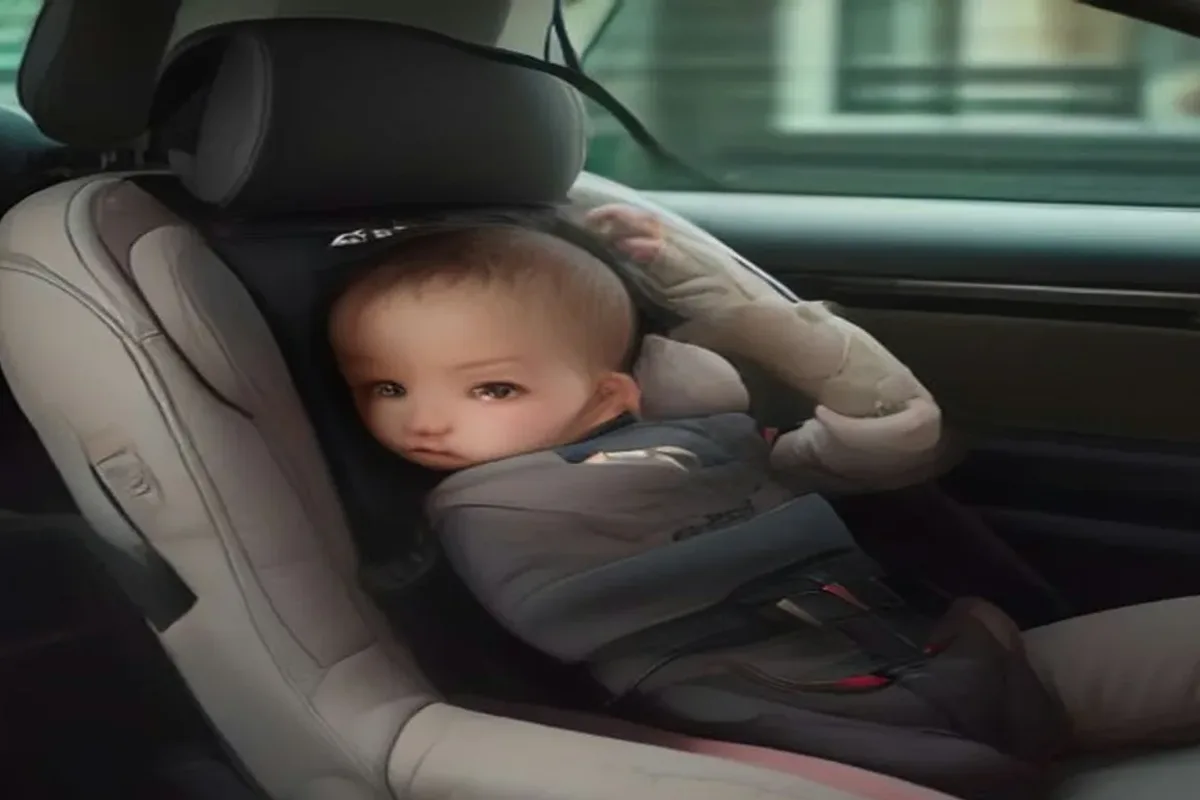
A loose harness is one of the most common mistakes. Tighten the straps until you cannot pinch slack at the child's collarbone. The chest clip should sit at armpit level, not on the belly. Remove bulky coats before tightening the harness; a puffy jacket compresses in a crash and leaves the child loose. A thin layer and a blanket over the harness are safer in cold weather.
Check the harness height. For rear-facing seats, the straps should be at or below the child's shoulders. For forward-facing seats, they should be at or above the shoulders. The manual gives the exact rule for your seat. Recheck the fit as the child grows, especially in the first year.
Angle and space
Rear-facing seats need the correct recline angle so the child's head does not flop forward and the airway stays open. Many seats have a level indicator. If the angle is wrong, use a rolled towel or a pool noodle under the seat base only if the manufacturer allows it. Do not put anything under the seat that is not approved.
Check that the front seat does not press on the rear-facing seat. The car seat should be tight against the vehicle seat, not braced against the front seat unless the manufacturer permits it. If space is tight, a smaller front-seat passenger may need to move forward, or you may need a more compact seat.
Used seats, crashes and expiration
A used seat is safe only if you know its history. Reject any seat that has been in a moderate or severe crash, even if it looks fine. Reject a seat with cracks, missing parts, a frayed harness or a damaged buckle. Check the expiration date molded into the shell or on a label. Plastic degrades over time, and the manufacturer's replacement schedule is based on real testing.
If you are unsure, buy new. A budget seat that fits correctly is safer than an expensive seat installed badly. Many communities offer free inspection stations where a certified technician can check the installation. Use one if you can. If not, follow the manual step by step and test for movement at the belt path.
"The safest car seat is not the most expensive one. It is the one that fits your child, fits your car and is installed correctly every trip."

The bottom line
Keep children rear-facing to the seat's limit, read both manuals, use one installation method correctly, attach the top tether when required and tighten the harness every trip. Check for movement, expiration and crash history. Those habits matter more than any feature label. For more family safety advice, see our Vehicle Safety collection.